- Eat at Joe's
- Posts
- Eat at Joe's: Back-pocket pasta
Eat at Joe's: Back-pocket pasta
Learn this recipe/technique, and you can turn any vegetable into a delectable pasta dish.

Joe Yonan
April 05, 2026

Two of the variations in my Pasta with Melted-Vegetable Sauce: Broccoli with orecchiette and corn with bucatini. See recipe below!
(Photo by Erin Scott, styling by Lillian Kang)
Pasta is everything
I don’t really use recipes. Not outside of work, anyhow.
Of course, there are exceptions. I follow recipes for baked goods (usually). I follow my own recipes to test them for readers. And I follow other people’s recipes that I want to write about (see testing for readers, previous sentence).
Table of Contents
Now, this doesn’t mean I don’t have cookbooks.
I have way too many cookbooks.
Hundreds and hundreds of cookbooks — maybe more than 1,000 by this point?
I love to go treasure hunting through my stash when researching a dish or trying to develop a new one. And I keep browsing just-published books, too. It’s not because I want to buy everything on an ingredient list, measure out just the amount of spices and onion and oil and garlic, set the stopwatch to make sure I sauté for 6 to 8 minutes. No. It’s because I’m always looking for new ideas, perhaps combinations I hadn’t thought of or surprising techniques. Put an orange in that pressure cooker full of black beans. Add spices, sometimes even the same ones, at multiple times in a recipe for distinct effect. Braise the carrots, then turn the braising liquid into a glaze. Grate the tomato. Those types of things.
At some point, those ingredient combinations and techniques seep into my own cooking, whether I intend for them to or not. And often, I can’t exactly recall where the thought began.
That’s how I felt when I worked with Sarah Jampel on this recipe for “Mastering the Art of Plant-Based Cooking.” Sarah and I are kindred spirits in the kitchen, and when she proposed a recipe for pasta with what she called “melted-vegetable sauce,” I immediately thought: I’ve been doing that for years! Can’t remember when or how I started, but it might have been a recipe for a penne with butternut squash sauce I saw from Mark Bittman that did it. He had you grate the squash, which sped up the cooking and turned it into just the size needed to slip inside the pasta tubes, turning it into something like the classic ravioli with winter squash, sage and butter but without needing to fill the pasta yourself.
The “Mastering” recipe takes it even further, cooking the veg with onion, pepper flakes (skip them if you’d like!), and water until it’s very tender, then finishing it uncovered until it becomes jammy and develops even more flavor. At that point, all you need is a little help from pasta water and olive oil to form a creamy emulsion. Blend it up if you’d like a totally smooth sauce, or leave it bitsy if you’d prefer some texture.
It works with just about anything. I’ve done it with cabbage, zucchini, cauliflower, broccoli, beets, kale, leeks, corn, winter squash, and I add as many alliums and aromatics — shallots, garlic, woody herbs, chiles (fresh, dried, crushed) — as I see fit. All those options make it a really perfect seasonal approach to pasta-making. Peas or asparagus this time of year can lead to corn in a few months and on to zucchini in peak summer, greens or squash when the weather turns cold again.
It’s an open-ended approach, meaning you adjust the amount of olive oil, pasta water, salt, and the cook time depending on the vegetable you choose. That’s my favorite kind of recipe. If it’s not yours — if you’re more of a by-the-book kind of cook — I also offer up four delicious variations on the idea, each of which offers you more direction, including suggested pasta shapes to pair with each sauce. But my hope is that you make it so many times, with so many different vegetables, that pretty soon you start putting the recipe aside, and eventually it becomes so ingrained that you forget where you even got the idea.
You’re just cooking.
My next Zoom cooking class: Black beans!
When I asked the students at my most recent Zoom cooking class, devoted to lentils, what they wanted next, the consensus was articulated by one of them: “You can never have too many beans.” Well, I couldn’t have said it better myself!
So on Sunday, May 3, from noon to 2 p.m. Eastern, we’ll be doing what I did with pinto beans a couple months back, and learning three recipes to make with a single pot of black beans — along with all my tips on how to make them taste their best (hint: no soaking!).
As always, you get 25 percent off a ticket to the class as a subscriber to this newsletter; just use the promo code “eatatjoes”! And don’t worry; if you just want to watch and not cook along, you’re welcome to do that. And if you can’t make it live but want to watch later, your ticket gets you access to a recording.
I break for animals:
Enzo

Recipe: Pasta With Melted-Vegetable Sauce
|

Makes 4 to 6 servings
Time: Weekday // Storage: Refrigerate for up to 3 days.
Fine sea salt
5 tablespoons olive oil, plus more as needed
1 to 2 pounds (450g to 900g) vegetable of your choice, finely chopped or grated (see Variations that follow)
1 medium or 2 small yellow onions (8 ounces/225g total), finely chopped
2 garlic cloves, chopped
¼ to ½ teaspoon red pepper flakes, to taste
2 tablespoons water
1 pound (450g) dried pasta of your choice
1 tablespoon fresh lemon juice, plus more to taste
Freshly ground black pepper
Nutritional yeast or parmesan, for serving
Bring a large pot of salted water to a boil.
Meanwhile, in another large pot or Dutch oven, heat 2 tablespoons of the oil over medium-high heat until it shimmers. Add the chopped or grated vegetables, onions, garlic, and pepper flakes and stir to coat in the oil. Stir in ½ teaspoon salt, add the water, reduce the heat to medium-low, cover, and cook, stirring occasionally until the vegetables are soft, 3 to 10 minutes, adding more water if the pan is dry and the vegetables are sticking.
Add the pasta to the boiling water and cook until al dente according to the package directions.
Add another 2 tablespoons of the olive oil to the vegetables and continue to cook, uncovered and stirring frequently, until they are soft enough to smash with a spoon, 6 to 12 minutes. Add more oil as needed to keep the vegetables from sticking. Remove from the heat if the vegetables are finished before the pasta. Stir in the lemon juice.
Reserving 1 cup (240ml) of the pasta water, drain the pasta.
If you’d like a smooth sauce: Add ¼ cup (60ml) reserved pasta water and 1 tablespoon olive oil and use an immersion blender to blend until smooth, adding more water as needed to loosen the puree if it seems too thick. (Alternatively, transfer the sauce to a standing blender and then return to the pan, reheating if needed.) Add the pasta and toss to combine, adding more pasta water as needed to create a saucy consistency.
For a chunky sauce: Set the vegetables over low heat, add the pasta, and stir to combine. Add ¼ cup (60ml) reserved pasta water and 1 tablespoon olive oil and stir vigorously until the pasta is glossy. Add more pasta water as needed to create a saucy consistency.
Taste and season with pepper and more salt and/or lemon juice as needed.
Divide among serving bowls, drizzle with more olive oil, if desired, sprinkle with nutritional yeast or cashew Parm, and serve warm.
VARIATIONS
Orecchiette with Melted Broccoli Sauce
Use 1 pound (450g) broccoli, remove the florets, and trim the toughest end off the stem. Use a vegetable peeler to peel the stem, and chop it and florets into ¼-inch (6mm) pieces. Pair with a short pasta such as orecchiette, rigatoni, or penne.
Spaghetti with Melted Spinach Sauce
Use 1 pound (450g) frozen chopped spinach or 2 pounds (910g) fresh spinach. If you’d like, toss the finished dish with baby spinach or chopped arugula or kale before serving.
Mafaldine with Melted Butternut Squash Sauce
Start with 1½ pounds (680g) butternut squash, peel and seed it, then grate it on the large holes of a box grater. (You should get about 4 packed cups.) Pair with curly or ruffled pasta such as mafaldine, farfalle, rotini, fusilli, or gemelli. Or combine with macaroni and bake.
Bucatini with Melted Corn Sauce
Start with 8 large ears corn (12 ounces/340g each), remove the husks and silks, and grate them on the large holes of a box grater. (You should get about 2 cups.) Add 2 of the cobs to the pot of pasta water while cooking the pasta, to infuse it with corn flavor. Pair with bucatini or other long pasta. Garnish with salted chopped tomatoes, charred corn kernels, and fresh basil, if you’d like.
Adapted from “Mastering the Art of Plant-Based Cooking” (Ten Speed Press, 2024), copyright Joe Yonan.
More favorite vegetable-pasta recipes
These are gift links to the recipes at the Post. Note that they require you to register but not subscribe. Gift links are free to access for 2 weeks, so if you want to come back to any of these recipes but don’t subscribe or want to subscribe, I suggest you find a way to save them!
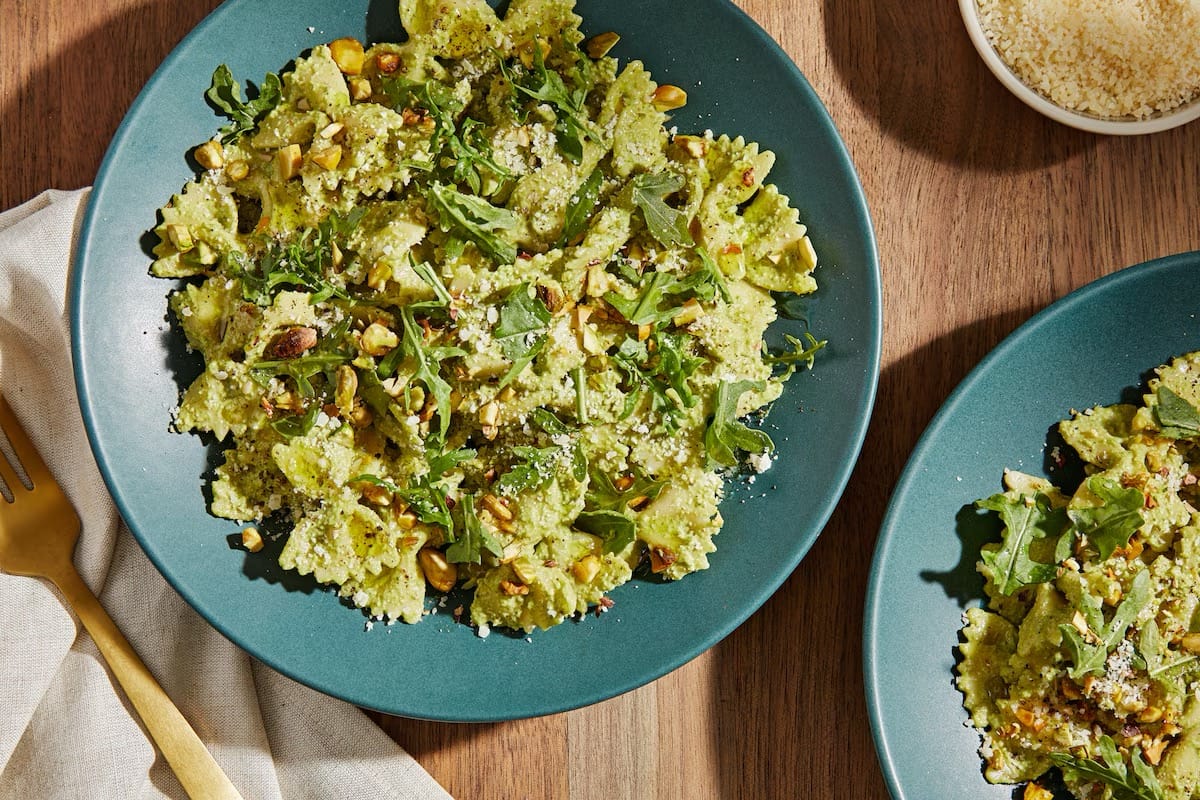
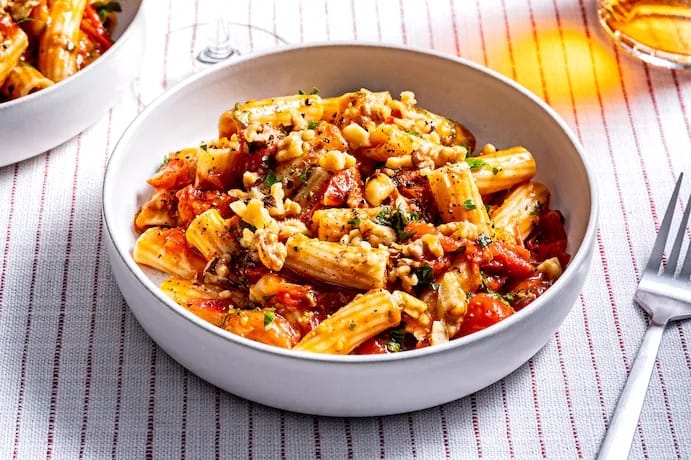
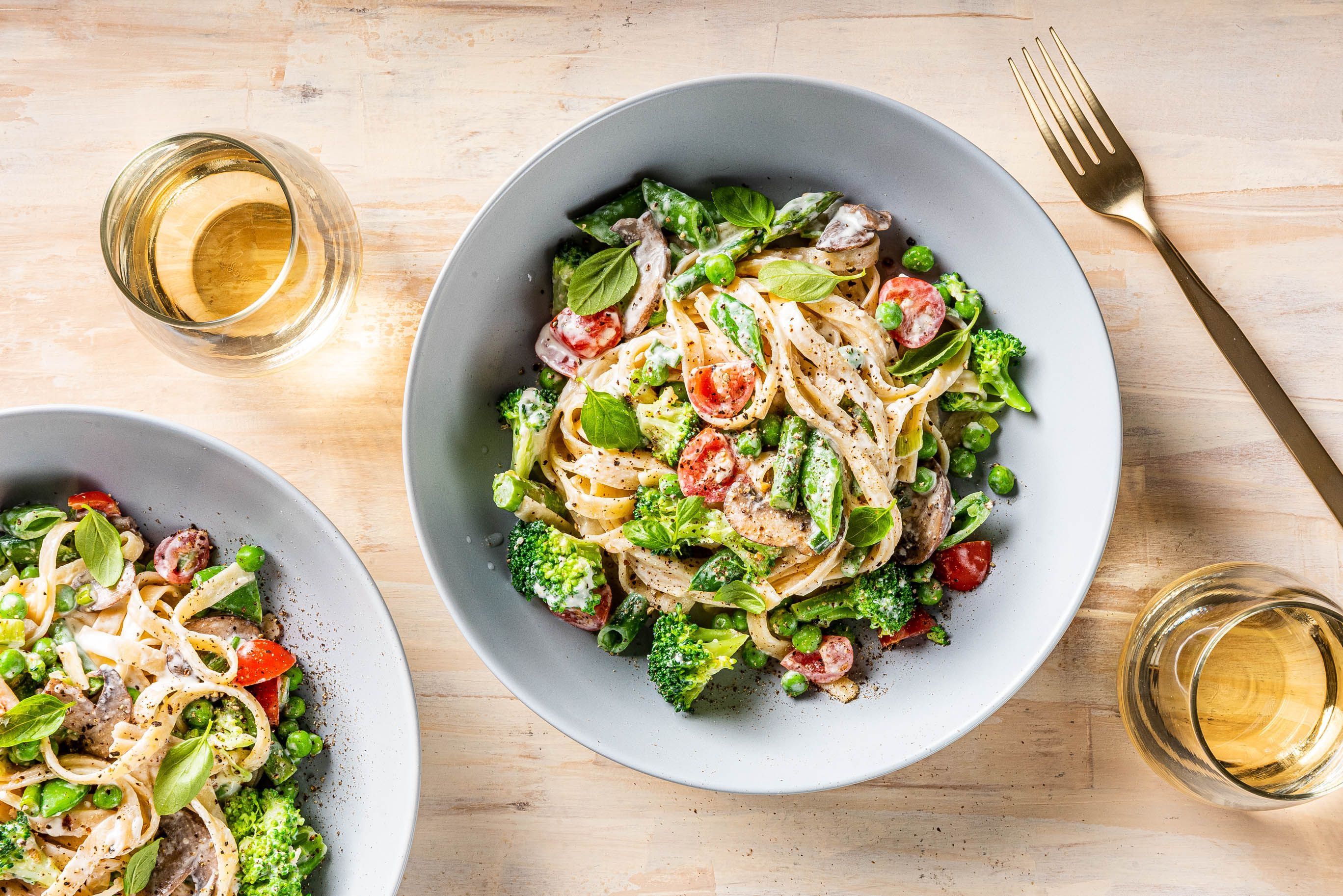
That’s it for this week’s newsletter. Do you have friends you think might want to Eat at Joe’s? Invite them today and don’t forget those gifts you can earn through referrals — see above!
If you were forwarded this email, welcome! And know that you can get your very own copy in your very own in-box of your very own phone or laptop on your very own Sundays by clicking below.
Until next week,

Reply