


Seared Zucchini and Garlicky Chard Tacos; see recipe below.
(Photo by Scott Suchman, styling by Lisa Cherkasky; both for The Washington Post, via Getty Images)
I’m a sear sucker
Every summer the farmers market starts making the same joke, and every year it lands. The zucchini arrives. Not a few. Not artfully arranged in shallow baskets. It arrives the way my late friend Jocko would arrive for his week in Provincetown — with so much baggage I don’t know how he found a house big enough to fit it all. By the third week of the zucchini onslaught, the growers have started making deals. Two for a dollar. Take four. To paraphrase a particular Borscht Belt comic: Take my zucchini … please!
And every year I watch people walk past the pile trying not to make eye contact, with the expression of someone declining a pamphlet.
Table of Contents
My friend Maura is the honorary president of that group. She’s got a great appetite and a great palate, and she draws a hard line at zucchini. Her objection isn't so much that it tastes bad. Her objection is that it doesn't taste like anything. She finds it offensively neutral. A vegetable-shaped absence. Why would you eat something whose entire personality is that it is technically food?
Here's the part where I'm supposed to leap to zucchini's defense, and I'm not going to, exactly. Maura is describing something real. Zucchini is mostly water, and water is not a flavor. And the way most of us treat zucchini doesn’t work with water.
We either cook it to death — sliced into coins, crowded into a pan, stirred anxiously until the pieces give up their water and then sit in it, going gray and slumped and faintly sweet in a way nobody asked for. Or we go the other direction entirely and shave it raw into ribbons, where it is admittedly pretty and also, Maura would point out, still kind of tasteless.
The way out is heat, dryness, and the discipline to leave the thing alone. Cut the zucchini into batons rather than coins — you want some thickness in the middle to protect, and flat sides to give the pan something to grab. Get a heavy skillet properly hot, hotter than feels reasonable, with a slick of oil. Lay the batons down in one layer with space between them, and then do the hardest part, which is nothing. Don't stir. Don't check. Let them sear until the flat side is deeply browned, nearly black in spots, then turn them once.
What comes out is not the zucchini Maura is thinking of. The outside is charred and concentrated, almost smoky. The inside has barely had time to notice. It stays juicy, and it still has a slight snap when you bite it — not raw, not remotely mushy, but somewhere in between that I'd argue is the only place zucchini has ever been genuinely good. The trick isn't seasoning it into submission. The trick is cooking it fast enough that it doesn't have time to release all that water and drown in it.
Then, and only then, do you shower it with flavor.
I found this method more than a decade ago, in the summer of 2014, and I've been making some version of it ever since.
At the time I was working my way through Jason Wyrick's “Vegan Tacos,” which had just come out. I'm a taco fanatic from way back — no Mexican ancestry to claim, just a West Texas childhood — and when a cookbook author tells you in the introduction that this is his favorite food on earth, you tend to trust the rest of the book. (I like to think that Jason, were he in D.C., would love to come to the taco party I’m throwing at the Hill Center in September!)
My garden that summer was doing what gardens do in July, which is to say it was in open revolt. Swiss chard everywhere. Zucchini beyond reason. I always have pumpkin seeds around. And there in the book was a recipe calling for all three, which felt less like a coincidence than an instruction.
It also called for a mole, and that’s where I bailed.
Not because there's anything wrong with mole. I love mole. But I had already wilted the chard in a sharp, garlicky mojo de ajo, and I had those seared zucchini batons sitting on the cutting board looking exactly the way I wanted them to look, and the idea of burying all of that under something as deep and layered and loud as a mole suddenly seemed like a mistake. Sometimes you spend an hour building a sauce and it makes the dish. Sometimes you spend an hour building a sauce and it makes the dish taste like the sauce.
So I stopped. I warmed tortillas, layered in the chard and the zucchini, scattered pumpkin seeds over the top, and — following Wyrick's lead — gave the whole thing a light dusting of chili powder, which does more work than it has any right to.
Every bite went in waves. Bright, then smoky. Tangy, then deep. The chard slippery and garlicky, the zucchini charred outside and still juicy in the middle, the seeds providing the crunch that the zucchini deliberately wasn't.
I also crumbled feta over mine, because it was 2014 and I was a different man. These days I use a store-bought vegan feta or one I like to make (from “Cool Beans”) with lemons, herbs and tofu.
As I write this, I realize something kind of silly: I have never served these to Maura. And I really need to, because I have a suspicion that the zucchini in question would be unrecognizable to her.
In the meantime, if you're staring down a market table this week and doing the math on four zucchini for a dollar, just remember: This is what they're for.
My next THREE cooking classes!
Since the last Zoom cooking class, on chickpeas, drew so many students, I wanted to give you all more chances to sign up, so I’m giving you details and ticket links to sign up to the next two:
Sunday, Aug. 9: Maximizing summer produce!
Sunday, Sept. 27: Tofu secrets!
The “products” (in Beehiiv-speak) are below.
If you’re in the area and want to come to an in-person class, I know that the September 19 taco party is sold out, but we’ve already scheduled my next round at the Hill Center in D.C. Can you believe the holidays are already pretty much right around the corner? I’ll be teaching a fantastic plant-based holiday menu on Sunday, Nov. 8, and you can sign up for that one right here. (Believe it or not, half those tickets are already gone, without my even mentioning it, so I suggest you act quickly if you want to join us!)
Enjoy up to 52% off Grüns daily wellness gummies now

Take up to 52% off Grüns Daily Greens. Each serving includes 60 ingredients, 21 vitamins and minerals, and 6g of prebiotic fiber to support energy, digestion, and immune health. Easy to enjoy at home or on the go, with simple wellness support for the whole family.
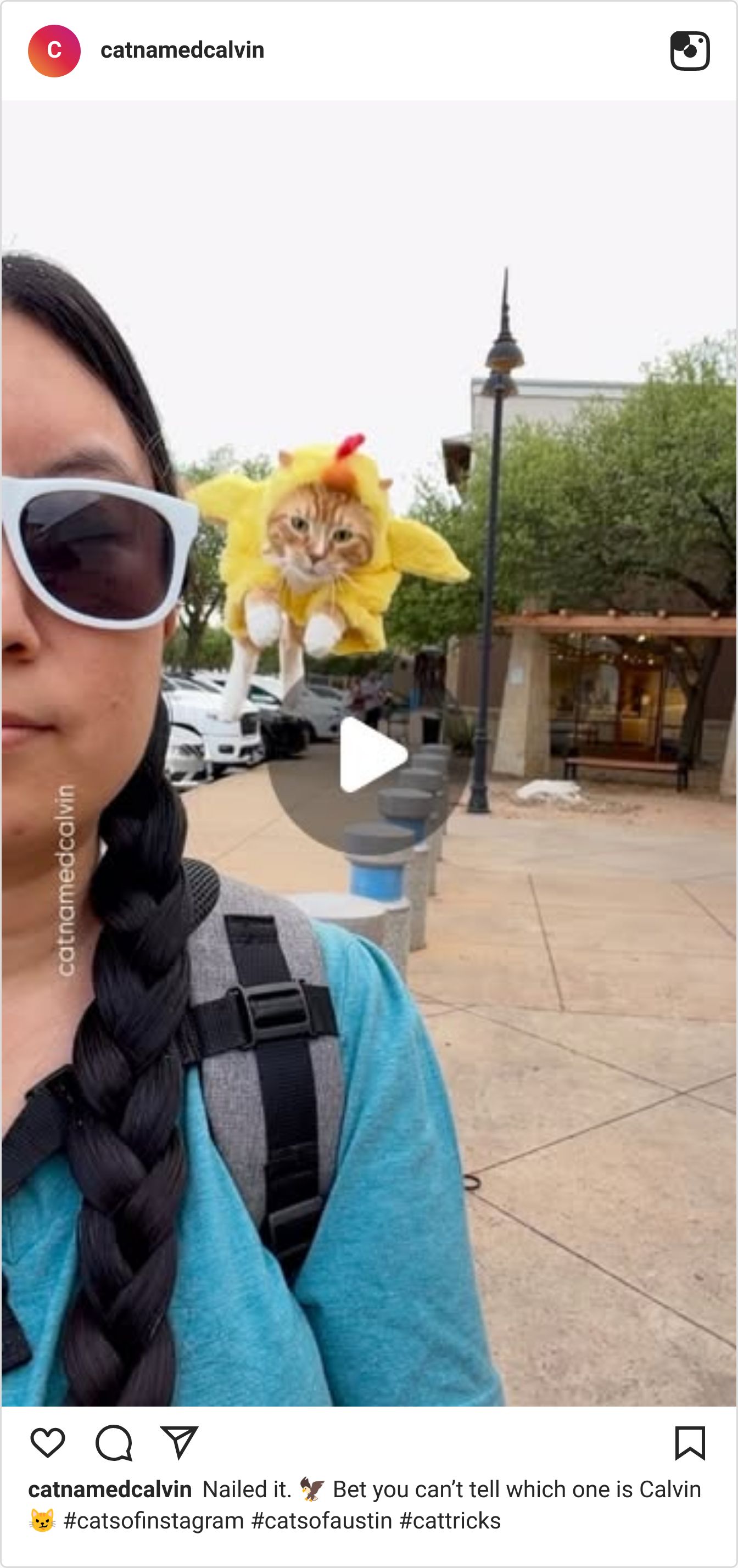
I break for animals:
Calvin
Recipe: Seared Zucchini and Garlicky Chard Tacos

Makes 12 tacos (4 to 6 servings) // Total time: 30 minutes // Storage: The cooked greens and the zucchini can be refrigerated separately for up to 4 days. Both are better rewarmed briefly in a hot skillet than in a microwave.
2 medium zucchini (1 pound total), cut into ¾-by-3-inch batons
¾ teaspoon fine salt, divided, plus more as needed
1 bunch Swiss chard (about 1 pound)
2 tablespoons extra-virgin olive oil
8 garlic cloves, thinly sliced
2 tablespoons fresh lime juice (from 1 to 2 limes)
Twelve 6-inch corn tortillas, warmed
¾ cup (4 ounces) crumbled feta or queso fresco (optional)
⅓ cup roasted, salted pumpkin seeds (pepitas)
1 teaspoon ancho chile powder
Get a large (12-inch) cast-iron skillet over high heat and let it get properly hot — hotter than feels reasonable. Toss the zucchini with ¼ teaspoon of the salt, then lay the batons in the pan in a single layer, working in batches so nothing is crowded. Crowding is how you end up steaming them, which is how you end up with the zucchini everyone complains about.
Now do the hard part, which is nothing. Don't stir, don't poke, don't check. Let them sear until the down side is deeply browned and nearly black in spots, about 2 minutes. Scrape them up with a spatula, turn them, and give the second side 1 to 2 minutes — you want it browned but you want the middle to stay firm. Move them to a plate.
Pull the skillet off the heat and let it cool down for a few minutes. It's much too hot for garlic right now, and burnt garlic will end the whole project.
Meanwhile, strip the chard leaves from the stems and keep them separate. Slice the stems thin. Stack the leaves, roll them up like a cigar, and cut across into ½-inch ribbons.
Back on medium heat, add the oil and then the garlic. Cook, stirring often, until the slices are tender and lightly browned, 3 to 4 minutes. Mash them right in the pan with a fork — you're going for something loose and spreadable rather than distinct slices. Stir in the lime juice and the chard stems and cook until the stems soften but still have a little bite, 2 to 3 minutes. Add the leaves and cook just until they wilt, 1 to 2 minutes. Season with the remaining ½ teaspoon salt, taste, and add more if it needs it. It probably needs it.
Build each taco with 3 or 4 zucchini batons, a few tablespoons of chard (drain it a little on the way, or you'll be eating a soggy taco), a tablespoon of cheese if you're using it, a teaspoon of pumpkin seeds, and a light dusting of ancho. Eat them right away, standing up, over the sink if necessary.
To serve 2
For two people, or one person who wants leftovers for exactly one lunch. Everything works the same way — the only real difference is that half the zucchini will probably fit in a 12-inch skillet in a single batch, so this goes faster. A 10-inch skillet also works if you don't mind two batches.
Makes 6 tacos (2 to 3 servings)
1 medium zucchini (8 ounces), cut into ¾-by-3-inch batons
⅜ teaspoon fine salt, divided (⅛ teaspoon for the zucchini, ¼ teaspoon for the greens), plus more as needed
½ bunch Swiss chard (about 8 ounces)
1 tablespoon extra-virgin olive oil
4 garlic cloves, thinly sliced
1 tablespoon fresh lime juice
Six 6-inch corn tortillas, warmed
6 tablespoons (2 ounces) crumbled feta or queso fresco (optional)
3 tablespoons roasted, salted pumpkin seeds (pepitas)
½ teaspoon ancho chile powder
The chard will wilt faster at this volume: Start checking at 45 seconds.
Substitutions
Zucchini. Yellow summer squash behaves almost identically, though it's a touch sweeter and can go soft faster, so watch the second side. Calabacita, the pale Mexican gray squash, is denser than either and might be the best of the three here if you can find it. Pattypan works cut into thick wedges.
Swiss chard. Beet greens are the closest substitute, stems and all. Collards and lacinato kale both work but are tougher: give the stems 4 to 5 minutes and the leaves 3 to 4. Mustard greens make a peppery, more aggressive version I like a lot. Spinach is fine but wilts in seconds — skip the stem step entirely and add it at the very end.
Lime juice. Lemon is the easy swap. For something closer to a traditional sour-orange mojo, use 1 tablespoon lime and 1 tablespoon fresh orange juice. In a pinch, lime juice plus a teaspoon of a mild vinegar gets you there.
Corn tortillas. Flour tortillas, and I'll thank the corn purists to keep it to themselves; there's real northern Mexican precedent. If your corn tortillas are tearing, double them up, which is what they do in Mexico City anyway. Butter lettuce or blanched cabbage leaves if you're going without.
Cheese. Cotija is saltier and drier than feta, so use about two-thirds as much. Ricotta salata is milder. A good vegan feta works, or skip it entirely and compensate with an extra squeeze of lime and more seeds — the recipe doesn't lean on it.
Pumpkin seeds. Sunflower seeds, roughly chopped toasted almonds, or toasted peanuts, which are very good here and very Mexican. Whatever you use should be salted and genuinely crunchy; crunch is the entire job.
Ancho chile powder. Guajillo is brighter and less raisiny. Chipotle powder brings smoke and real heat, so cut it to about half. A standard chili powder blend is fine. For smoke without heat, use smoked paprika. Aleppo pepper or plain red pepper flakes also work.
To make it vegan. Everything but the cheese already is. Leave it off or use your favorite nondairy version, such as Violife brand feta.
Based on a recipe in “Vegan Tacos” by Jason Wyrick (Vegan Heritage Press, 2014).
More favorite zucchini recipes
These are gift links to the recipes at the Post. Note that they require you to register but not subscribe. Gift links are free to access for 2 weeks, so if you want to come back to any of these recipes but don’t subscribe or want to subscribe, I suggest you find a way to save them!


Baked Zucchini “Fries”

That’s it for this week’s newsletter. Do you have friends you think might want to Eat at Joe’s? Invite them today and don’t forget those gifts you can earn through referrals — see above!
If you were forwarded this email, welcome! And know that you can get your very own copy in your very own in-box of your very own phone or laptop on your very own Sundays by clicking below.
Until next week,

